{{ fv.title }}
{{ fv.blurb }}
{{ fv.label }}
Frame · Resonance · Legacy · A living archive
The public face of the Afro-Indigenous Plant-Based Culinary Codex. Every dish carries the community it comes from, how sure we are of the record, and how to eat it so your body can actually use it. Where our version adapts a tradition, the card says so.
RESTRICTED on a card means a named cultural reviewer has not yet signed off on the attribution — not that the dish is closed. Under our own framework, unconfirmed attribution cannot be marked public. Records we have deliberately left closed are named at the foot of this page and are not published at all.
Ways in
Several routes reach the same records. None of them is the correct one.
Your kitchen · {{ stageName }}
{{ stageNote }}
{{ searchLine }}
Nothing under that name. Try the crop on its own — amaranth, cowpea, fonio — or the community, like Gullah Geechee or Wolof.
{{ mealNote }}
{{ resultLabel }}
{{ shownLabel }}
Nothing in the archive matches that combination yet. Try a wider region, or turn off “In my box only.”
Root Life photographs
Open what you need
Two of the kinds in the filter above are about method rather than ingredient, and they pull in opposite directions. Shoots want to stay cold. Fungi need the heat. Everything below is lookup material — open the part you want and leave the rest shut.
Microgreens as a kind means the tray is the dish; Raw means no heat touches it at any point. These are the numbers behind that distinction.
What each method keeps
Vitamin C retention — midpoints of published ranges, tracked because it is the first thing heat and water take.
Swapping shoots for mature greens
Ratios by volume, for cooking a traditional dish with what a tray gives you.
Six rules the trays impose
A habit, not a dose
{{ mgPortion }}
What “40 times more nutrients” actually means
{{ mgLimits }}
The opposite case to the shoots: beta-glucans sit behind chitin that heat has to break. What matters is which heat — and whether you keep the water.
What each method keeps
Antioxidant retention against fresh. Ergothioneine holds above 90% through nearly all of these; beta-glucans are heat-stable and become more available.
Keeping them: salt, acid, koji
What the fungi ask of you
Where the supplement evidence stops applying
{{ mshLimits }}
If you are taking extracts, not eating mushrooms
{{ mshCautionNote }}
Precise classification prevents two opposite errors: calling an adaptation traditional, and calling a dish that was always plant food a “vegan version.”
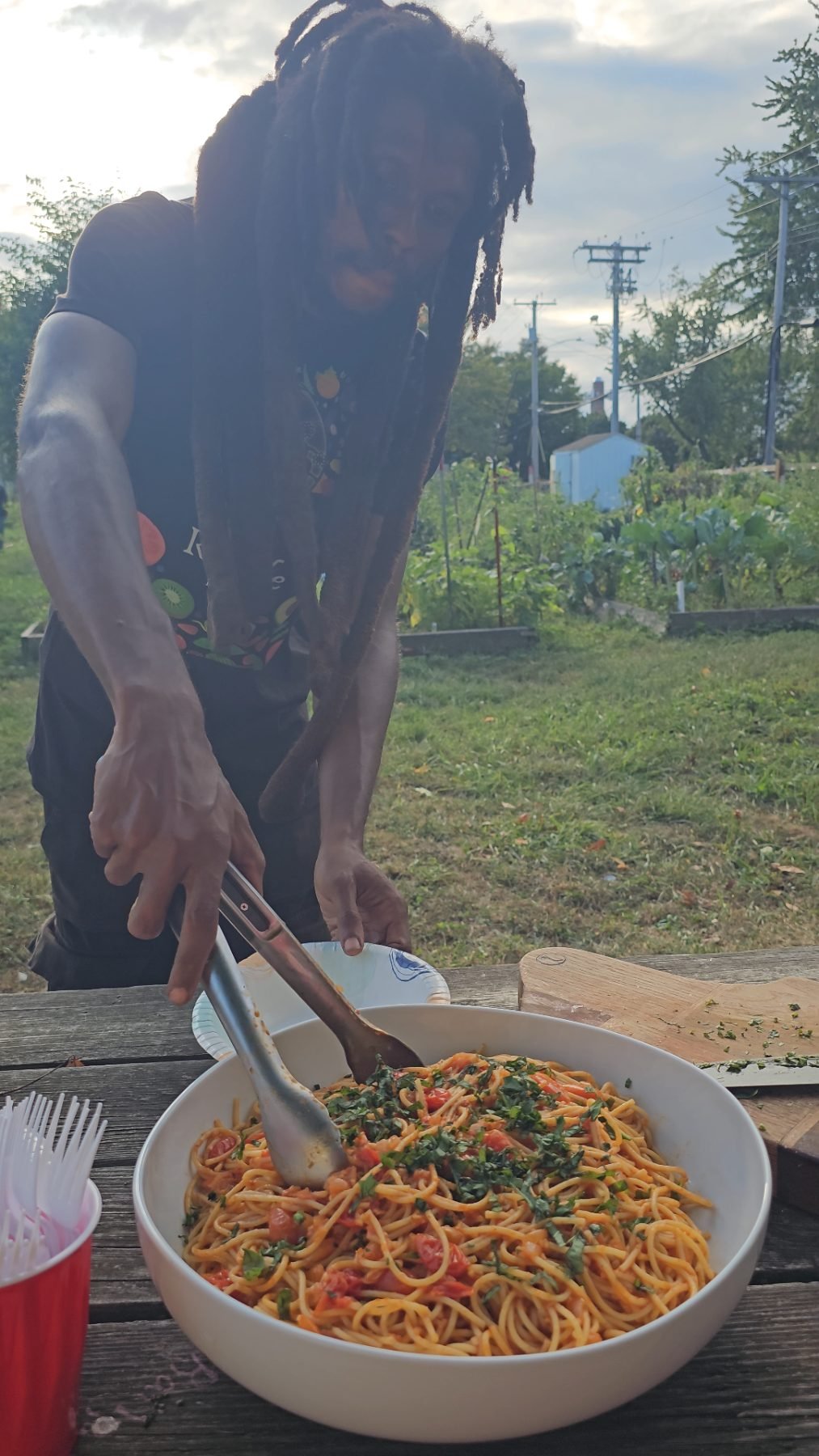
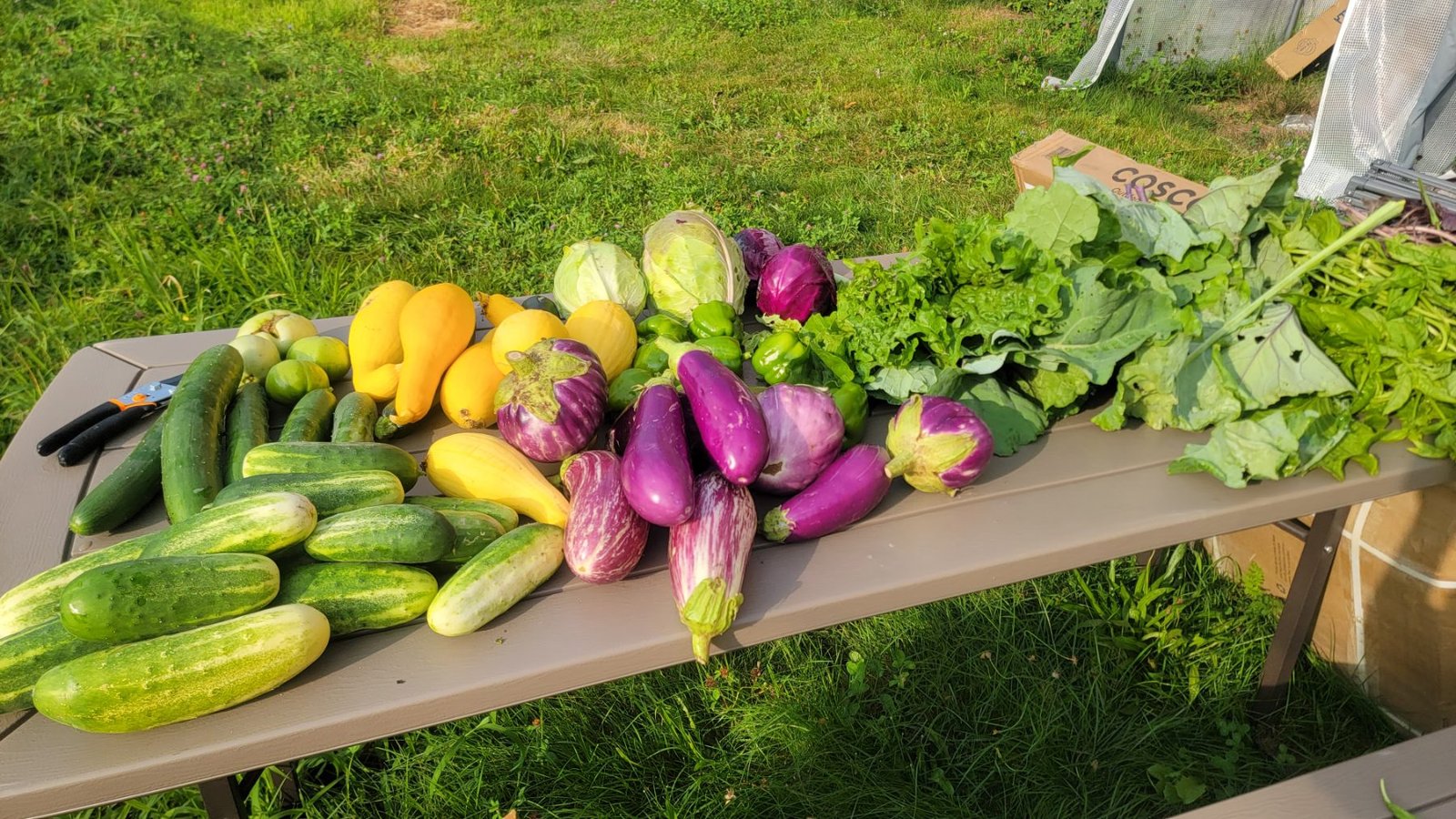
One more label, about the pictures. The dish photograph on every record card is a generated stand-in — an image of what the dish looks like, not a photograph of a plate we cooked. Each record says so under its own hero. The photographs of the beds, the harvest and the people are real, and they are the only images on this site that claim to be.
Records we hold but will not publish
An archive is defined as much by what it declines to take. These are records the Codex has researched and deliberately left closed. Naming the gap is honest; filling it with a plausible recipe would not be.
How this archive works
How we attribute
Every dish names the people and place it comes from. Cultural-linguistic nations cross modern borders, so we record community first and country second. When a record carries sacred or closed knowledge, we don’t publish it — and we don’t invent it either. Where scholarship disagrees, the card says it disagrees.
Read our attribution practice →Eat the Sun · on nutrition claims
Carotenoids, vitamin C, chlorophyll — the compounds these recipes are built around are made by plants out of light. Eating the sun is only half of it; the other half is cooking so your body can actually take the light up. Each recipe carries a pairing note drawn from published uptake research — vitamin C with non-heme iron, soaking and fermentation against phytate, fat with carotenoids. These are cooking habits, not medical advice, and we name their limits as well as their effects. Anything clinical belongs with a dietitian or physician.
Our kitchen safety practice →{{ fnNote }}