{{ fv.title }}
{{ fv.blurb }}
{{ fv.label }}
Frame · Resonance · Legacy
The public face of the Afro-Indigenous Plant-Based Culinary Codex. Each dish carries the community it comes from, how sure the record is, and how to eat it so your body can use it.
{{ countTotal }} recipes · {{ countRegions }} regions · 0 closed records published
RESTRICTED on a card means a named cultural reviewer has not yet signed off on the attribution — not that the dish is closed. Under our own framework, unconfirmed attribution cannot be marked public. Records we have deliberately left closed are named at the foot of this page and are not published at all.
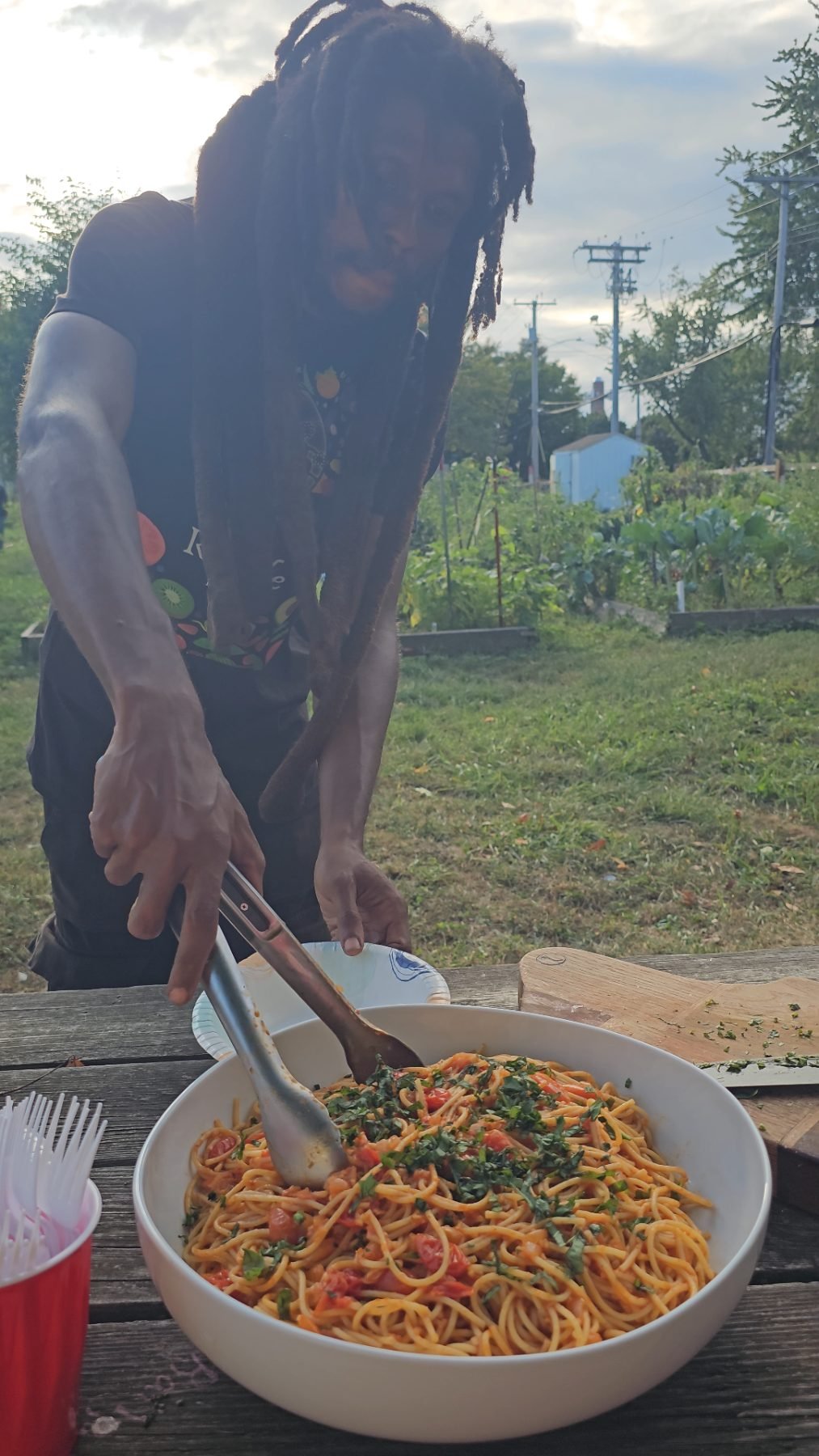
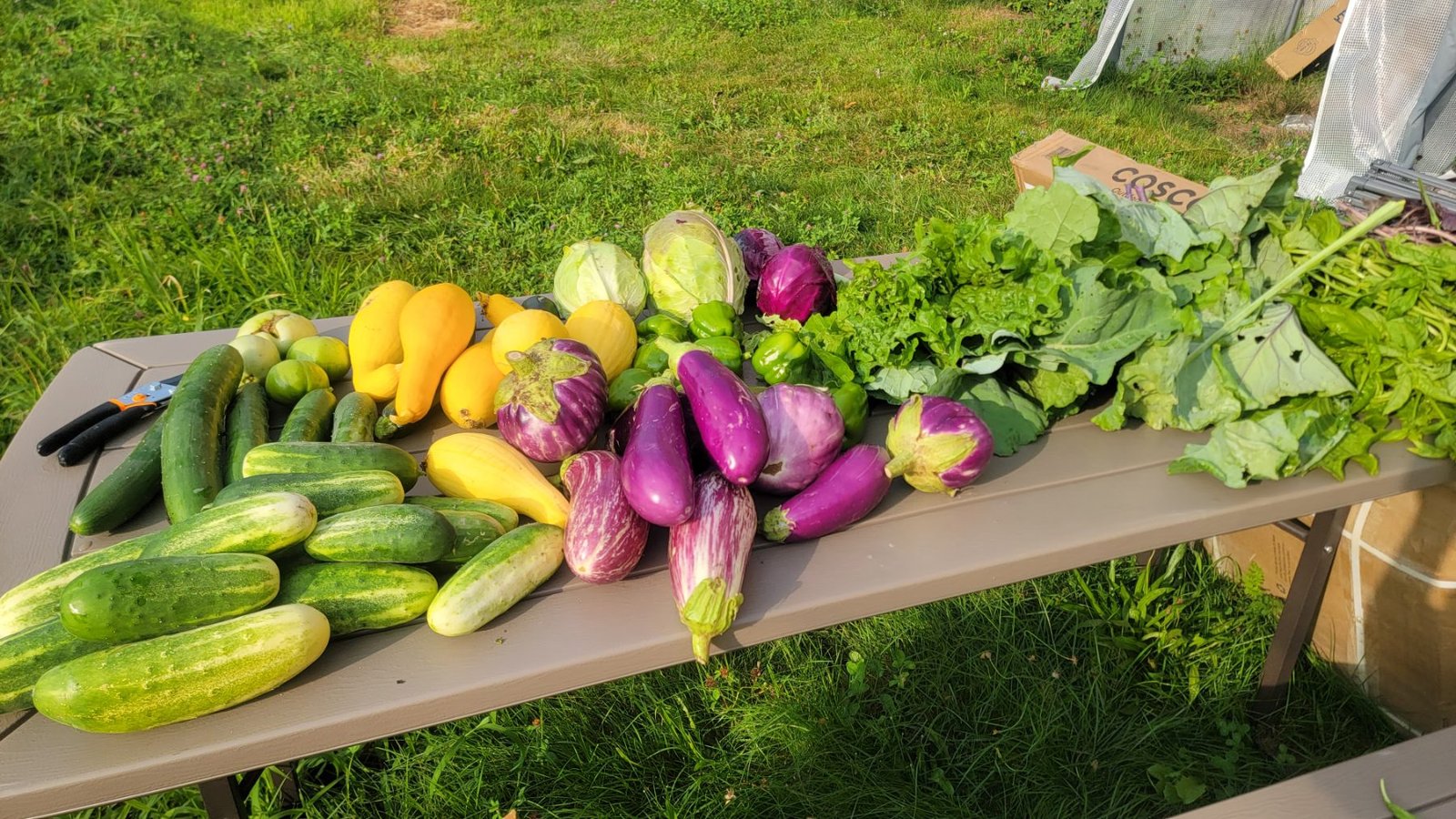
Root Life photographs
{{ searchLine }}
Nothing under that name. Try the crop on its own — amaranth, cowpea, fonio — or the community, like Gullah Geechee.
{{ mealNote }}
{{ resultLabel }}
{{ shownLabel }}
No recipes match. Try another crop, or turn off “In my box.”
Microgreen kitchen method
Two kinds above are about method: Microgreens means the tray is the dish, Raw means no heat touches it. Vitamin C retention, midpoints of published ranges:
{{ mgLimits }}
Mushroom kitchen method
Greens want to stay raw; mushrooms are the opposite — their beta-glucans sit behind chitin that heat has to break. Antioxidant retention against fresh:
{{ mshLimits }}
{{ mshCautionNote }}
How the Codex classifies a dish
Classification prevents two opposite errors: calling an adaptation traditional, and calling a dish that was always plant food a “vegan version.”
One more label, about the pictures. Every dish photograph here is a generated stand-in — an image of what the dish looks like, not a photograph of a plate we cooked. Each record repeats that under its own hero. The photographs of the beds, the harvest and the people are real, and they are the only ones that claim to be.
Records we hold but will not publish
An archive is defined as much by what it declines to take. Naming a gap is honest; filling it with a plausible recipe would not be.
How we attribute
Community first, country second — cultural nations cross modern borders. We don’t publish closed or sacred knowledge, and we don’t invent it. Where scholarship disagrees, the card says so.
Our attribution practice →Eat the Sun · on nutrition claims
Carotenoids, vitamin C, chlorophyll — all made by plants out of light. Eating the sun is half of it; cooking so your body can take the light up is the other half. Each recipe carries a pairing note from published uptake research. Cooking habits, not medical advice.
{{ fnNote }}